

Shoulder Separation vs. Dislocation: What’s the Difference?
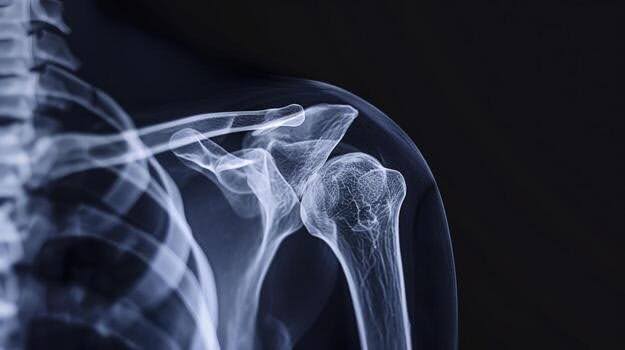
From football to ice hockey, at all kinds of levels, we’re now fully into the sports season. Whether you’re an athlete, coach, or parent, knowing the difference between a shoulder separation and dislocation can help you take the right steps toward recovery.
While these injuries may sound similar, they affect different parts of the shoulder and require different approaches to treatment. Here’s what you need to know.
What is Shoulder Separation?
A shoulder separation occurs when the ligaments connecting your collarbone to your shoulder blade become stretched or torn. This affects the acromioclavicular (AC) joint at the top of your shoulder.
These injuries commonly happen from a direct hit or fall onto the shoulder, making them especially common in contact sports like football.
Common symptoms include:
- Pain and tenderness at the top of the shoulder
- Swelling or bruising
- Difficulty lifting your arm or reaching across your body
- A noticeable bump near your collarbone in more severe cases
The good news? Many shoulder separations can heal without surgery when properly diagnosed and treated.
What is Shoulder Dislocation?
Unlike a separation, a shoulder dislocation occurs when the upper arm bone pops out of the shoulder socket.
This can happen during a forceful collision, an awkward fall, or sudden movement that pushes the shoulder beyond its normal range of motion.
Common symptoms include:
- Intense shoulder pain
- A visibly misshapen shoulder
- Swelling and muscle spasms
- Difficulty or inability to move your arm
- Numbness or weakness
A dislocated shoulder requires urgent medical attention. Never attempt to pop it back into place yourself, as this could cause further damage.
Why Getting the Right Diagnosis Matters
Not all shoulder injuries are created equal, and what works for one injury may not work for another.
At Direct Orthopedic Care, our orthopedic specialists in Fort Worth and Austin, TX evaluate your symptoms, examine your shoulder, and use diagnostic imaging when needed to determine the extent of your injury.
Treatment depends on your diagnosis and injury severity:
- Shoulder separations: Often treated with rest, a sling, pain management, and physical therapy. Severe cases may require surgery.
- Shoulder dislocations: Typically require professional repositioning of the joint, followed by immobilization and rehabilitation. Some injuries may require surgery.
Getting an accurate diagnosis early can help prevent complications and support a safer return to your favorite activities.
Don’t Let a Shoulder Injury Sideline You
When shoulder pain strikes, you shouldn’t have to wait days for answers or spend hours in the emergency room. We provide specialized orthopedic care with convenient appointments seven days a week and transparent pricing.
Whether you’re looking for an orthopedic doctor in Fort Worth, TX, or an orthopedic clinic in Austin, TX, our team is here to help you get the care you need and get back to doing what you love.
Find a DOC location near you and take the first step toward recovery.