
Do You Need an MRI, CT Scan, or X-Ray? How Orthopedic Providers Decide
If you’re dealing with sudden pain, a sports injury, or an issue that’s lingered for weeks, you may be wondering: Do I need imaging—and if so, which kind? MRI, CT scans, and X-rays all play different roles in orthopedic care, and the right choice depends on your symptoms, injury type, and timeline.
Many patients assume advanced imaging like an MRI is required for every orthopedic issue. In reality, most conditions can be evaluated accurately with a thoughtful exam and the appropriate level of imaging. This guide explains the differences between MRI, CT scans, and X-rays—and how orthopedic providers decide which, if any, you need.
Understanding the Three Main Imaging Options
X-Rays: The First Step for Most Injuries
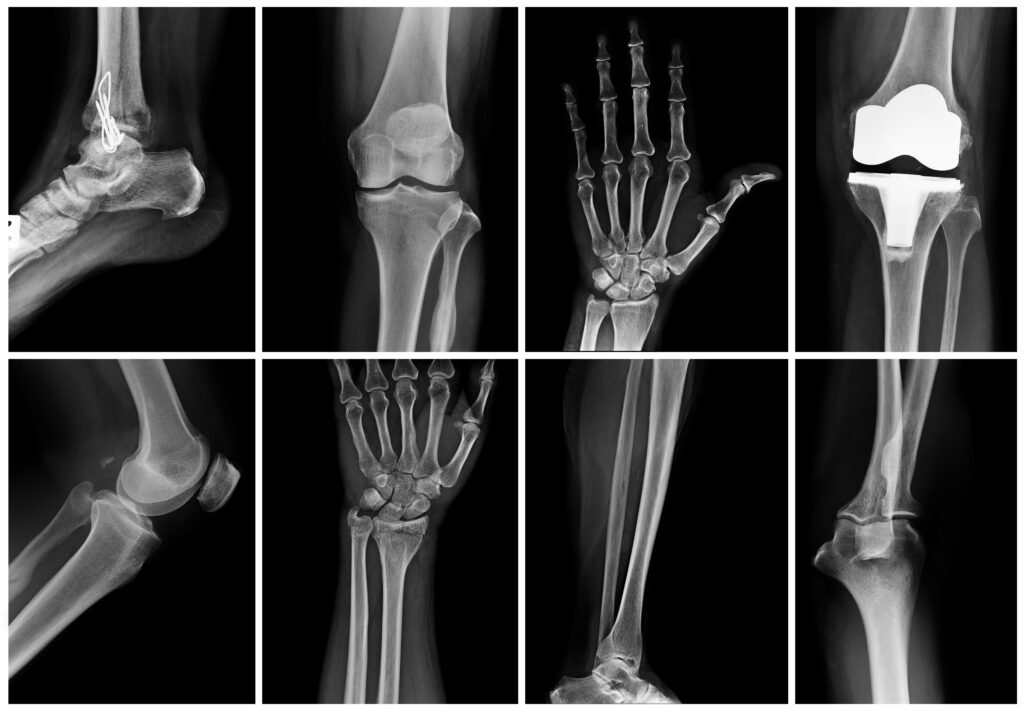
X-rays are often the starting point in orthopedic care. They’re quick, widely available, and excellent for evaluating:
-
Bone fractures
-
Joint alignment
-
Arthritis or degenerative joint changes
-
Dislocations
If you’ve had a fall, sudden injury, or acute pain, an X-ray is usually the first imaging tool used. In many cases, it provides all the information needed to move forward with treatment.
MRI: Best for Soft Tissue and Nerve Injuries
MRI (magnetic resonance imaging) uses magnets and radio waves to produce detailed images of soft tissues, including:
-
Muscles
-
Ligaments
-
Tendons
-
Cartilage
-
Discs and nerves
MRIs are especially helpful when pain persists, symptoms worsen, or soft-tissue damage is suspected. However, they’re not always the first or most necessary step.
CT Scans: Detailed Bone and Complex Injury Imaging
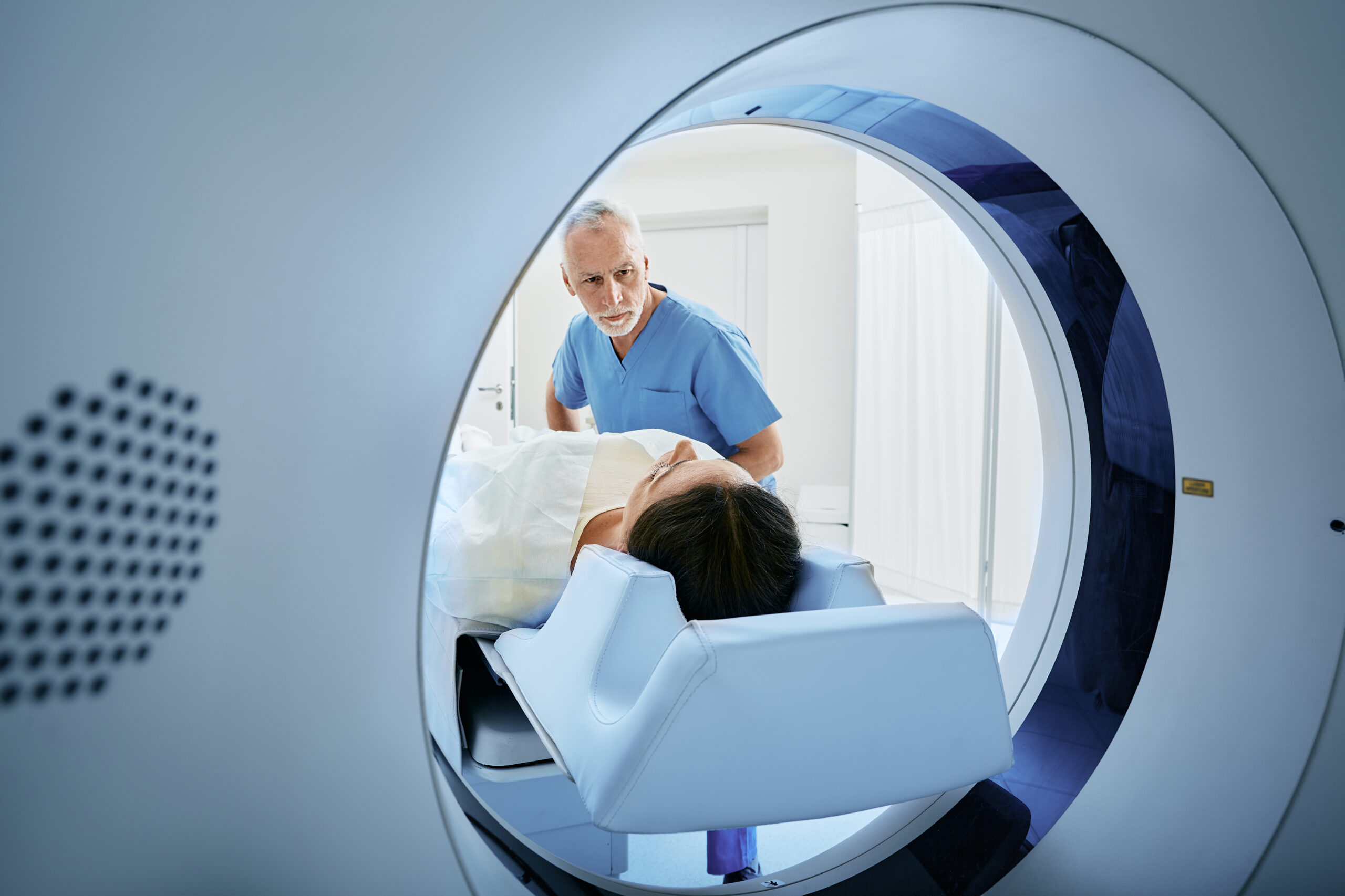
CT (computed tomography) scans use advanced X-ray technology to create detailed cross-sectional images. In orthopedics, CT scans are most often used to:
-
Evaluate complex fractures
-
Assess joint surfaces in detail
-
Plan surgical procedures
-
Detect subtle bone injuries not seen on standard X-rays
CT scans are less commonly needed than X-rays or MRIs but can be invaluable in specific cases.
When Imaging May Not Be Needed Right Away
Not every injury requires immediate imaging—especially advanced scans.
Early-Stage Injuries With Clear Symptoms
In the first few days after an injury, swelling and inflammation can limit how useful imaging is. Orthopedic providers often begin with:
-
A physical exam
-
X-rays (if bone injury is suspected)
-
Rest and activity modification
-
Anti-inflammatory treatment
-
Bracing or stabilization
Many mild to moderate injuries improve within two to three weeks without additional imaging.
Gradual or Mild Pain Without a Clear Injury
For aches that develop slowly—such as mild strains, early arthritis, or overuse injuries—imaging may not change the treatment plan. Conservative care is often recommended first.
When Guidelines Support Conservative Treatment
Clinical guidelines and insurance standards frequently recommend nonsurgical treatment before advanced imaging unless specific warning signs are present. This helps patients avoid unnecessary tests and delays in care.
When an MRI, CT Scan, or X-Ray Is Necessary
While imaging isn’t always required, it becomes essential in certain situations.
Persistent Pain That Doesn’t Improve

If symptoms continue beyond six weeks despite treatment, imaging can help identify underlying issues and guide next steps.
Suspected Ligament or Tendon Tears
High-impact injuries—especially from sports—can damage ligaments like the ACL or rotator cuff. MRI is often used to confirm the diagnosis and assess severity.
Meniscus or Cartilage Injuries
Ongoing knee pain, locking, catching, or instability after swelling subsides may indicate a meniscus tear. MRI is typically the best tool in these cases.
Rotator Cuff Injuries
Persistent shoulder weakness, difficulty lifting the arm, or pain lasting several weeks may signal a partial or full-thickness tear best seen on MRI.
Stress Fractures Not Visible on X-Ray
Some stress fractures—especially in the hip, foot, or tibia—may not appear on X-rays early on. MRI can detect these injuries before they worsen.
Nerve Compression or Disc Issues
Symptoms such as numbness, tingling, weakness, or changes in bladder or bowel control may suggest nerve compression or a herniated disc. MRI helps pinpoint the location and severity.
Complex or Severe Fractures
CT scans may be used when fractures involve joints, multiple bone fragments, or complex anatomy that requires precise evaluation.
How Orthopedic Providers Decide Which Imaging You Need
At Direct Orthopedic Care, providers follow an evidence-based approach to ensure patients receive the right imaging—only when it adds value to their care.
Step 1: Medical History and Physical Exam
Many orthopedic conditions can be diagnosed through symptom review, movement testing, and strength and stability exams.
Step 2: X-Rays When Appropriate
X-rays are often used early to rule out fractures, joint issues, or arthritis.
Step 3: Watch for Red Flags
Advanced imaging like MRI or CT may be ordered if there are concerning signs, such as:
-
Significant muscle weakness
-
Joint locking or severe instability
-
Suspected ligament rupture
-
Signs of infection
-
Rare concerns such as tumors
Why the Right Imaging Matters
Skipping unnecessary imaging isn’t about cutting corners—it’s about delivering better care.
Avoiding unnecessary scans helps reduce costs, prevents delays in treatment, and minimizes anxiety caused by incidental findings that aren’t clinically significant. Most importantly, it keeps the focus on recovery and effective treatment rather than testing that won’t change the outcome.
When to See an Orthopedic Specialist
You should consider an orthopedic evaluation if you:
-
Have pain limiting daily activities
-
Experience a sudden injury from a fall or sports activity
-
Can’t bear weight on a limb
-
Have swelling or pain lasting more than two weeks
-
Notice numbness, tingling, or weakness
Get Expert Guidance Today
If you’re dealing with pain or a recent injury, the best next step is an expert evaluation. An orthopedic specialist can determine whether you need an X-ray, MRI, CT scan—or none at all—and guide you toward the fastest, most effective path to recovery.
Schedule an appointment today to get answers and personalized care.