

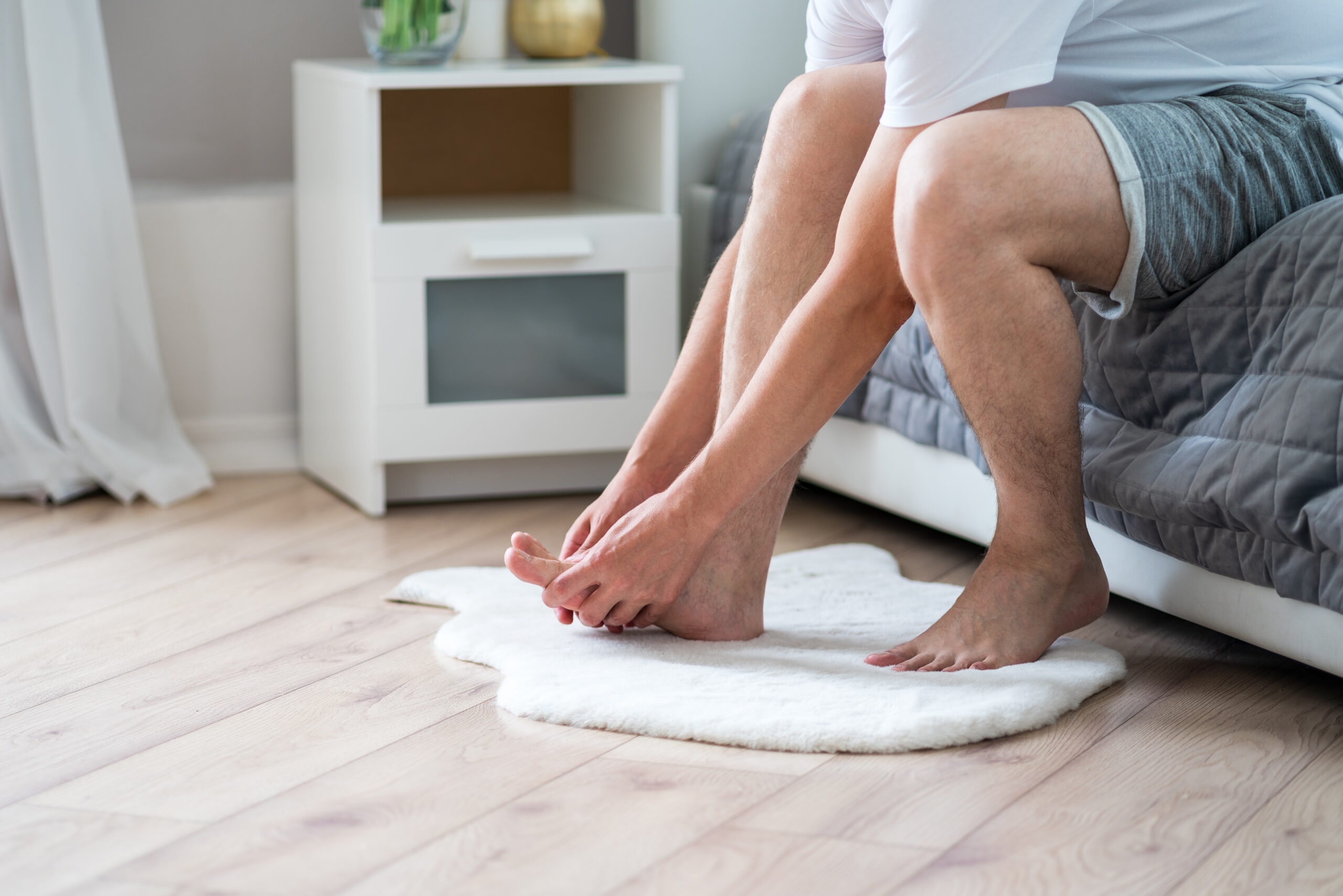
Gout is a form of inflammatory arthritis that can cause sudden, severe joint pain, swelling, redness, and stiffness. While it most commonly affects the big toe, gout can also impact the ankles, knees, wrists, fingers, and hips. Without proper treatment, gout can worsen over time and lead to chronic joint damage—but the good news is that symptoms are highly manageable with the right orthopedic care.
At Direct Orthopedic Care, our orthopedic specialists diagnose and treat gout with personalized care plans designed to relieve pain, reduce flare-ups, and protect long-term joint health.
What Is Gout?
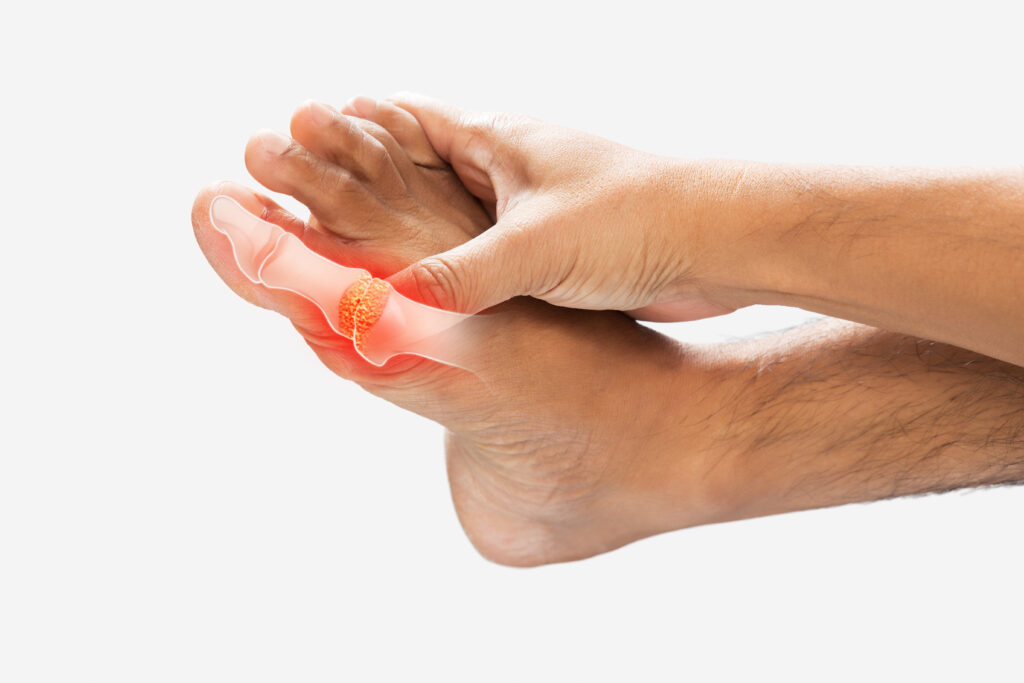
Gout affects approximately 2% of people in the United States and develops when excess uric acid builds up in the bloodstream. Uric acid can form microscopic, needle-like crystals that collect in joints and surrounding soft tissues, triggering intense inflammation.
When these crystals accumulate, the immune system responds as if it’s fighting an infection. White blood cells rush to the area, causing the joint to become:
-
Red
-
Swollen
-
Warm or hot to the touch
-
Extremely painful
Gout attacks often come on suddenly and can last several days. In fact, nearly 90% of people with gout rate their pain as a 9.5 or 10 out of 10 during a flare-up.
What Causes High Uric Acid Levels?
Uric acid is a natural waste product created when the body breaks down purines, which are found in both the body and certain foods. High-purine foods and drinks include:
-
Red meat and organ meats
-
Seafood
-
Alcohol (especially beer)
-
Sugary and fructose-sweetened beverages
Research by Hyon Choi, MD, a rheumatology specialist at Boston University School of Medicine, found that people who consumed two or more sugar-sweetened sodas per day had an 85% higher risk of developing gout.
When uric acid levels remain elevated over time, crystal deposits—called tophi—can form around joints and tendons. These chalky deposits may appear as white, toothpaste-like lumps under the skin. Left untreated, chronic gout can cause:
-
Permanent joint deformities
-
Ongoing pain and stiffness
-
Bone and cartilage damage
-
Kidney stones or kidney disease
Fortunately, most patients who receive timely treatment do not progress to this advanced stage.
Are You at Risk for Developing Orthopedic Gout?
You may be at higher risk if you:
-
Are between the ages of 30 and 45
-
Are overweight
-
Eat a diet high in sugar, red meat, or seafood
-
Have a family history of gout
-
Have health conditions such as high blood pressure, diabetes, or kidney disease
-
Take certain medications, including ACE inhibitors, beta blockers, or low-dose aspirin
Do Orthopedic Specialists Treat Gout?
Yes—orthopedic specialists treat gout, and they are often the provider of choice for this condition. While primary care providers, rheumatologists, and podiatrists may also manage gout, orthopedic providers specialize in joint disease and musculoskeletal conditions, making them well-equipped to diagnose and treat both acute gout attacks and chronic joint damage caused by gout.
When Should You Schedule a Gout Consultation?
You should consider scheduling an orthopedic evaluation if:
-
You are experiencing joint pain, swelling, or redness consistent with gout
-
You have frequent or worsening gout flare-ups
-
You have risk factors for gout but no symptoms and want screening
-
Your gout symptoms are affecting your mobility or quality of life
Early diagnosis and treatment can prevent long-term joint damage and reduce the frequency and severity of future attacks.
Gout Treatment Options at Direct Orthopedic Care
Orthopedic gout treatment focuses on three main goals:
-
Relieving pain during acute gout attacks
-
Preventing future flare-ups
-
Protecting joints from permanent damage
Treatment may include medications to lower uric acid levels and reduce inflammation. Long-term medication therapy is often recommended for patients who have:
-
Gouty joint arthritis
-
Kidney damage or recurrent kidney stones
-
More than three gout attacks per year
-
Severe or debilitating gout symptoms
In advanced cases where chronic gout causes destructive arthritis, surgical treatment may be necessary to restore joint function.
Lifestyle Changes That Can Help Prevent Gout Flare-Ups
In addition to medical treatment, lifestyle changes play an important role in gout management:
-
Exercise regularly
-
Maintain a healthy body weight
-
Drink plenty of water to flush uric acid
-
Avoid sugary drinks and limit alcohol intake
-
Follow a balanced diet with appropriate protein intake
Get Expert Gout Care at Direct Orthopedic Care
Whether you’re dealing with a painful gout flare-up in Dallas, TX or want to prevent future joint damage, the orthopedic specialists in Austin, TX at Direct Orthopedic Care are here to help. With convenient access to expert care and personalized treatment plans, DOC makes it easier to get relief and protect your joint health.
Find a Direct Orthopedic Care location near you and take the next step toward lasting gout relief and better mobility.