
New Year, New Workout Injuries: When Pain Means You Should See a Specialist

It’s a new year and you’re probably filled with motivation to get moving once again. Gym memberships tend to spike around this time and the running shoes finally come out of the closet. Whether the goal is weight loss, strength, or simply feeling better, January is when many people dramatically increase their activity levels. While that enthusiasm is a great thing, it’s also the reason orthopedic specialists tend to see a surge in injuries early in the year.
Not every ache or pain is a cause for concern, but some signals shouldn’t be ignored. Understanding the difference between normal soreness and a true injury can help you protect your progress–and your long-term health–before a minor issue turns into something more serious.
Why New Year Workouts Often Lead to Injuries
One of the biggest reasons injuries appear early in the year is because of the sudden change of pace that your body is going through. Many people go from being relatively inactive to working out several times a week, lifting heavier weights, or adding high-impact activities like running or HIIT workouts. Your muscles may adapt quickly, but your joints, tendons, and ligaments take longer to catch up.
Other common contributors to these injuries include skipping proper warm-ups, using incorrect form, repeating the same movements without rest days, or pushing through pain in the name of discipline–or because you saw it in a workout reel or TikTok that inspired you to get more active. The body is resilient, but it still has limits. When those limits are crossed too quickly, injuries can develop even in otherwise healthy and active adults.
The Most Common New Year Workout Injuries

Orthopedic clinics in Fort Worth, TX tend to see similar patterns every January because of some very common injuries, such as:
Knee injuries
Running, squatting, and jumping can place significant stress on the knees. Overuse may lead to runner’s knee, tendon irritation, or meniscus strain, especially when mileage or intensity increases too fast.
Shoulder pain
Weightlifting, swimming, and high-repetition movements can strain the shoulder joint. Rotator cuff injuries and impingement are common when form breaks down or muscles fatigue.
Back injuries
Improper lifting technique or weak core muscles often result in lower back strains. In more serious cases, disc irritation can cause pain that radiates into the hips or legs.
Ankle and foot issues
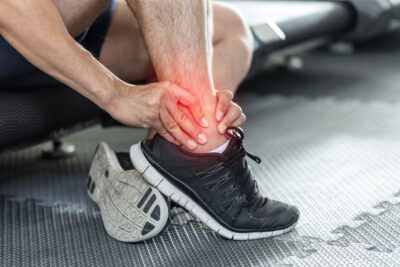
Ever started walking a lot after some time and felt pain that’s just unbearable? Sudden increases in walking, running, or court sports can trigger ankle sprains, plantar fasciitis, or Achilles tendon pain, particularly if footwear isn’t supportive enough.
Elbow and wrist pain
If you do a lot of things that involve repetitive gripping or impacts then it could lead to tennis elbow, golfer’s elbow, or wrist strain, which often worsen if ignored.
These injuries don’t always happen all at once–many of them start mild discomfort and slowly escalate when activity continues without proper recovery.
Soreness vs. Injury: How to Tell the Difference
Ever felt your body in pure pain after your first few workouts? It’s normal to feel a little sore when you’re just starting a new routine. Delayed onset muscle soreness (DOMS) usually happens after about a day or two after exercise. It feels dull or stiff, sometimes you’ll see some improvement by moving around a bit, and you’ll typically see improvement after a couple of days.
But with that said, pain from an injury behaves differently. Warning signs include sharp or stabbing pain, swelling, bruising, joint instability, or pain that gets worse with activity instead of easing up. If you feel that the discomfort is lasting longer than a week, interferes with sleep, or limits your everyday movements, then it’s no longer a case of gritting your teeth and powering through it–you need help.
If you keep training and ignoring these signals, then your recovery time is just going to get longer and you’ll need more complex treatments in the future.
Why Early Orthopedic Care Makes a Difference
People tend to feel that going to see a doctor or any kind of professional care is a bother, and they hope that the pain will just get better on its own–but that almost always leads to more pain in the future.
While rest can help minor issues, dealing with persistent pain usually means getting early evaluation by an orthopedic specialist in Dallas, TX because identifying the problem early can prevent further damage, shorten recovery time, and reduce the likelihood of chronic issues.
Orthopedic specialists focus specifically on the musculoskeletal system, this means your bones, joints, muscles, ligaments, and tendons. That level of expertise helps them to pinpoint the cause of your pain and recommend targeted treatment, whether that’s activity modification, physical therapy, injections, or, in some cases, surgical care.
Try to keep in mind that your early treatment isn’t about stopping your fitness journey. It’s about protecting it.
Why Direct Orthopedic Care Is Built for Active Injuries

When orthopedic pain starts getting to you, looking for a convenient service to assist you can really speed up recovery times. Nobody wants to be waiting weeks for an appointment or spend hours in an emergency room because it can delay your recovery and make you even more frustrated. But that’s where Direct Orthopedic Care stands out.
DOC offers access to board-certified, fellowship-trained orthopedic specialists who treat injuries seven days a week. Same-day appointments mean you can be seen quickly, often without the long waits associated with traditional practices or emergency rooms. With onsite imaging, physical therapy, and pain management options, care is streamlined from diagnosis through to recovery.
DOC is designed for real life. That means after-work injuries, weekend setbacks, and unexpected pain that shouldn’t have to wait. Transparent pricing and comprehensive cash-pay options also make care more predictable and cost-effective.
Don’t Let Pain Derail Your New Year Goals
We’d all love for that new year motivation and momentum to carry us into healthy habits for the rest of the year and beyond. But in order to achieve that, you have to stop sidelining yourself with avoidable injuries. Paying attention to pain, respecting recovery, and seeking care when something doesn’t feel right can make all the difference in staying active and healthy throughout the year.
If workout pain is lingering, worsening, or limiting your movement, it may be time to see an orthopedic specialist in Frisco, TX. Early care can help you recover faster and get back to the activities you enjoy.
Find a DOC Location today to book an appointment at a clinic near you and take the next step towards a stronger and healthier year.