
Where, oh Where Has My Patella Gone?
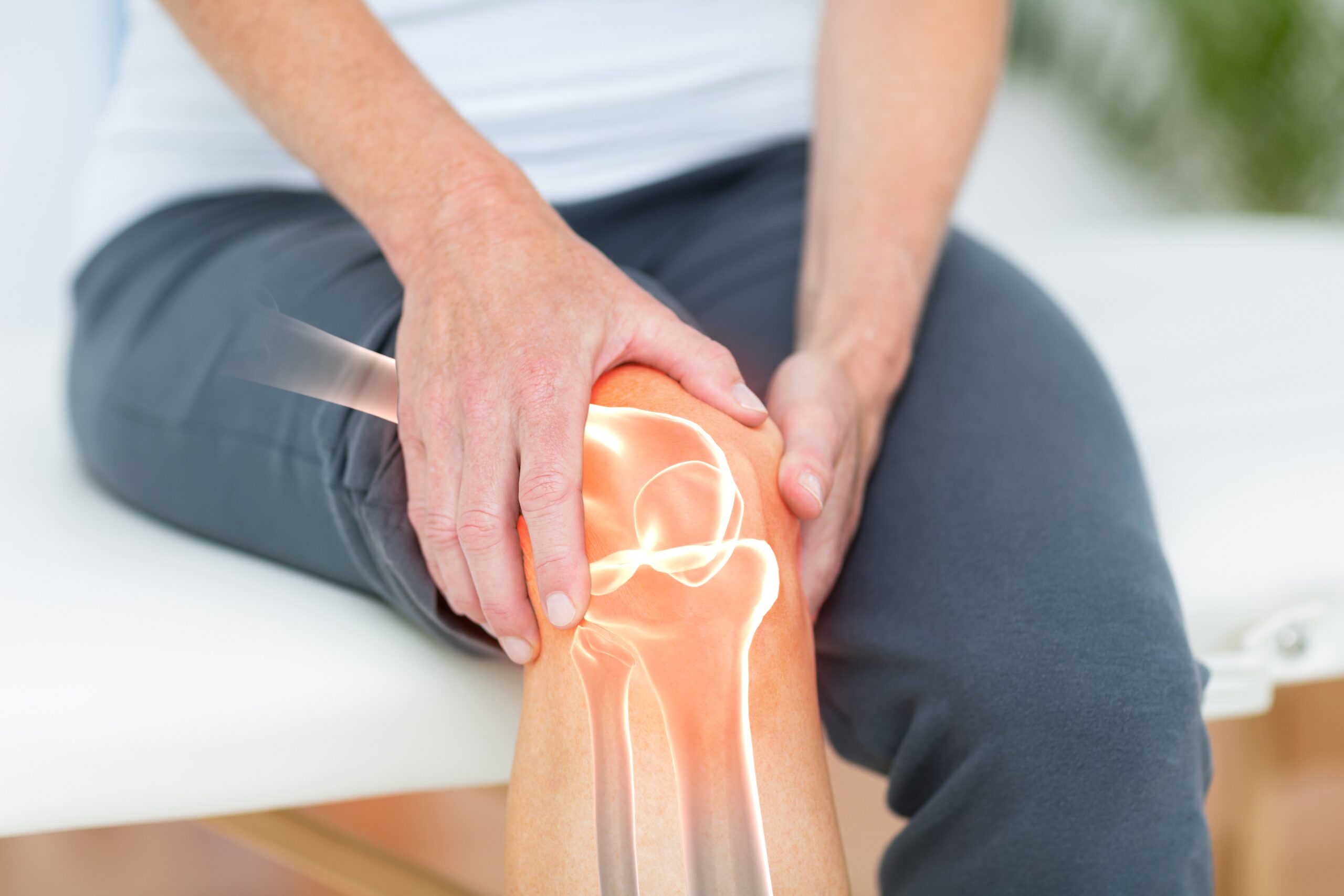
Knee pain can make even simple movements uncomfortable and unpredictable. At Direct Orthopedic Care, our orthopedic knee specialists diagnose and treat conditions like patellar instability, kneecap dislocation, and anterior knee pain with same-day appointments and personalized treatment plans. Whether your knee feels weak, painful, or unstable during everyday activities, understanding how the kneecap works—and what happens when it doesn’t—can help you take the first step toward lasting relief and improved mobility.
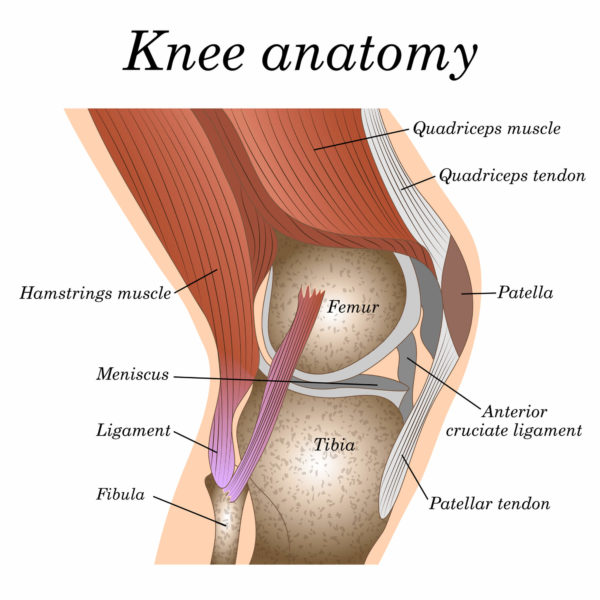
Your kneecap (patella) is a small bone in the front of your knee joint. It is not attached to another bone and is kept in place by two tendons, your patellar tendon and quadriceps tendon, and the trochlear groove.
The patellar tendon attaches the bottom of the kneecap to the top of the shinbone (tibia). The quadriceps tendon attaches the top of the kneecap to the quadriceps muscles. As you bend or straighten your leg, the kneecap is pulled up or down. The thighbone (femur) has a trochlear groove to guide the moving kneecap. Articular cartilage covers the ends of the femur, trochlear groove and the underside of the patella to help your bones glide smoothly against each other as you move your leg.
Working together, the patellar tendon, quadriceps tendon, quadriceps muscles, and trochlear groove help you to walk, run, sit, stand, and move easily. But when the kneecap does not stay in or is forcibly moved out of the groove or the tendons become weak or torn, it can result in a partial or total dislocation.
Symptoms of patella instability include:
- Knee buckles and cannot support your weight
- Kneecap slips off to the side
- Knee catches and/or creaks during movement
- Pain, stiffness and swelling in the front of your knee
- Increased pain with activity
Where does the patella go when it’s unstable?
Sometimes the muscles and ligaments can’t keep your patella in the groove. When the groove is uneven or shallow, the patella may slip out of the groove. Or a traumatic event involving direct impact to the front of the knee could also move the kneecap out of place. If the patella is dislocated and not where it should be, you will usually find it floating toward the outside (lateral side) of the leg.
During the physical examination, the DOC orthopedic specialist may observe your gait, ask you to straighten and bend your knee, and feel the area around your kneecap (wherever that may be at the time). X-rays may be recommended to see how the kneecap does or doesn’t fit in its groove. An MRI scan will show tendon, cartilage or ligament tears.
If the kneecap is dislocated and out of its groove, your DOC surgeon or PA needs to gently return the kneecap to its proper place in your leg, a process called reduction. The DOC team may recommend nonsurgical treatments, such as physical therapy and a stabilizing brace.
If you have a chronic condition and the knee continues to be unstable and you have to ask: “Where or where has my patella gone?” it can be corrected with surgery to realign and tighten the tendons to keep the kneecap in the groove, or to release tissues that pull the kneecap out of the groove. Post-surgery, the timeline for DOC physical therapy and the best rehabilitation exercises will be customized for you, depending on your surgical repair and personal goals, to keep your patella where it belongs.
Get Expert Care for Knee Stability—Close to Home
If knee pain, instability, or a slipping kneecap is holding you back, you don’t have to navigate it alone. The DOC team specializes in diagnosing and treating patellar instability with personalized care plans—from conservative treatment and physical therapy to advanced surgical options when needed. Ready to take the next step toward a stronger, more stable knee? Find a DOC location near you and schedule your visit today.