

Extensor Tendonitis: Why the Top of Your Foot Hurts and How to Treat It
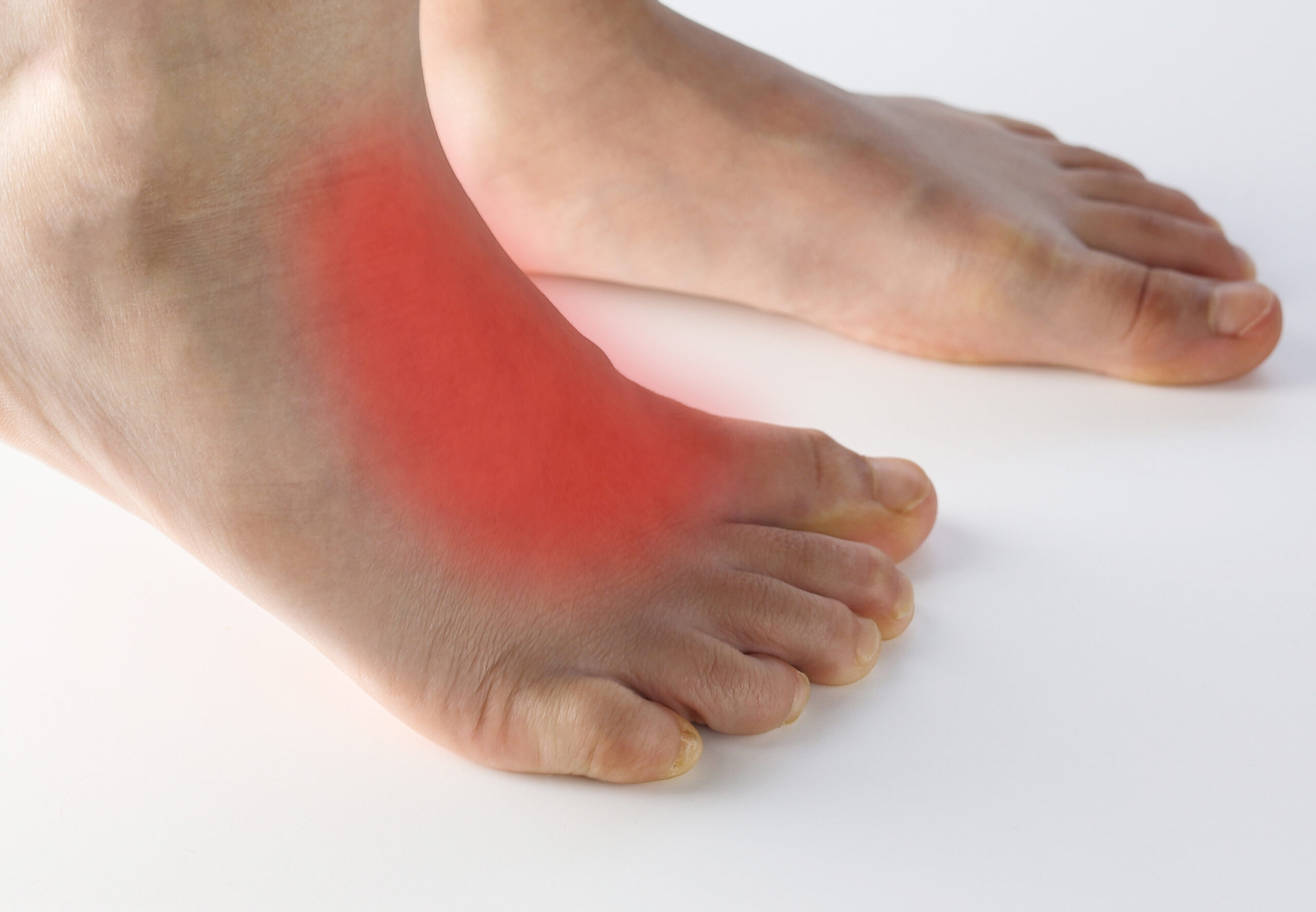
Pain on the top of your foot is often linked to extensor tendonitis, a condition caused by irritation or inflammation of the extensor tendons. These tendons run across the top of the foot and ankle and are responsible for lifting your toes and foot upward with each step.
Because these tendons sit close to the surface of the skin, they’re especially vulnerable to friction, pressure, and repetitive stress. When irritated, even simple movements like walking or running can become painful.
What Causes Extensor Tendonitis?
Extensor tendonitis usually develops when the tendons on the top of the foot are overworked or compressed. Common causes include:
-
Overuse or sudden activity increases: Starting a new workout routine, increasing mileage, or spending more time on your feet than usual can overload the tendons.
-
Poorly fitting shoes: Shoes that are too tight, rigid, or poorly laced can place excessive pressure on the top of the foot. This is especially common in runners who lace shoes tightly through the midfoot.
-
Foot structure issues: Flat feet and very high arches can change how force moves through the foot, increasing strain on the extensor tendons.
-
Hard walking or running surfaces: Repeated impact on unforgiving surfaces can alter foot mechanics and contribute to tendon irritation.
Common Symptoms
Extensor tendonitis symptoms tend to worsen with activity and improve with rest. You may notice:
-
Tenderness or pain on the top of the foot
-
Pain when lifting your toes upward
-
Mild swelling or redness in the affected area
-
Relief when resting or reducing activity
If symptoms are severe or persistent, it’s important to rule out other conditions such as stress fractures or nerve-related issues.
At-Home Treatment Options
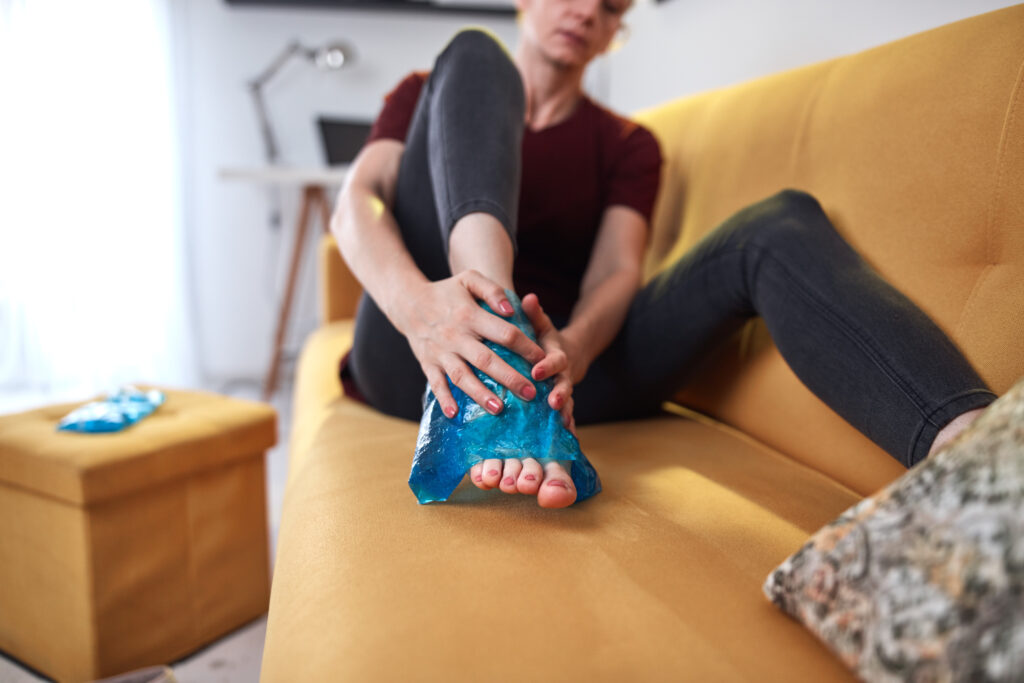
In many early or mild cases, extensor tendonitis can improve with conservative care:
-
Rest and activity modification: Reduce activities that aggravate the pain and give the tendons time to recover.
-
Ice therapy: Applying ice can help reduce inflammation and ease discomfort.
-
Supportive footwear: Choose shoes with proper arch support and avoid overly tight lacing across the top of the foot.
-
Stretching and strengthening: Gentle stretches and strengthening exercises for the foot, ankle, and lower leg can help restore mobility and prevent recurrence.
Custom orthotics and physical therapy may also be recommended to improve foot mechanics and reduce ongoing stress on the tendons.
When to See an Orthopedic Specialist
You should seek medical care if:
-
Pain lasts more than a few days
-
Walking or bearing weight becomes difficult
-
Symptoms worsen despite rest and home treatment
At Direct Orthopedic Care (DOC), patients have access to same-day orthopedic evaluations, on-site imaging, physical therapy, and personalized treatment plans—all without the long waits or high costs of traditional care.
Schedule an Appointment
Foot pain doesn’t have to slow you down. If you’re dealing with persistent pain on the top of your foot, schedule an appointment with a DOC orthopedic specialist today. With multiple convenient locations across the Austin–Round Rock and Dallas–Fort Worth areas, expert orthopedic care is always close to home—often with same-day appointments available.