
Meniscus Tears of the Knee: Symptoms, Diagnosis, and Treatment Options
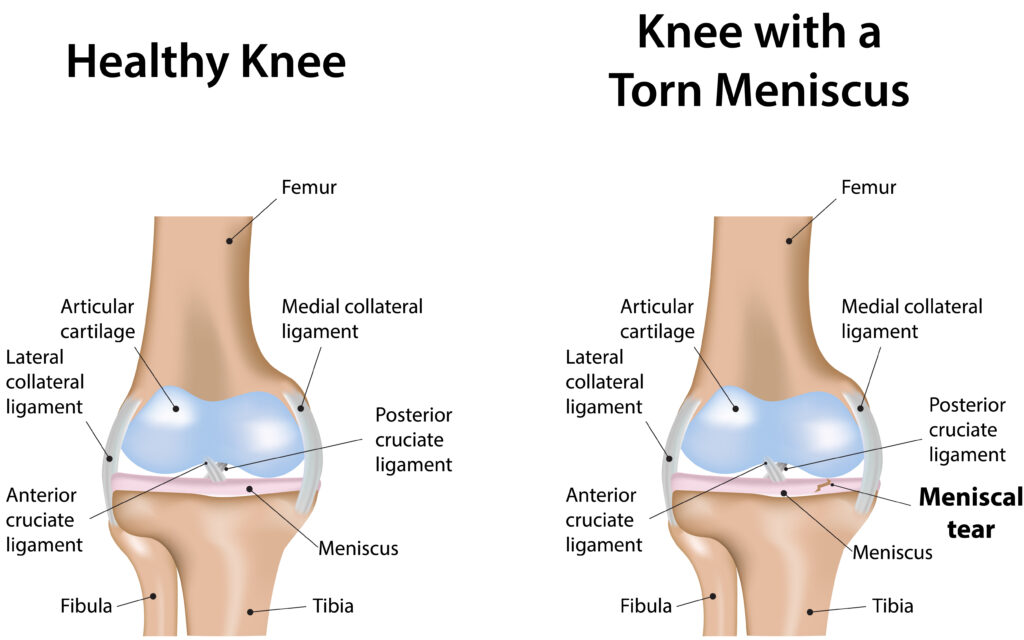
The knee is a complex joint where three bones meet: the thighbone (femur), shinbone (tibia), and kneecap (patella). Between the femur and tibia sit two wedge-shaped pieces of cartilage called the menisci. These tough, rubbery structures act as shock absorbers, cushioning the knee joint and helping maintain stability during movement.
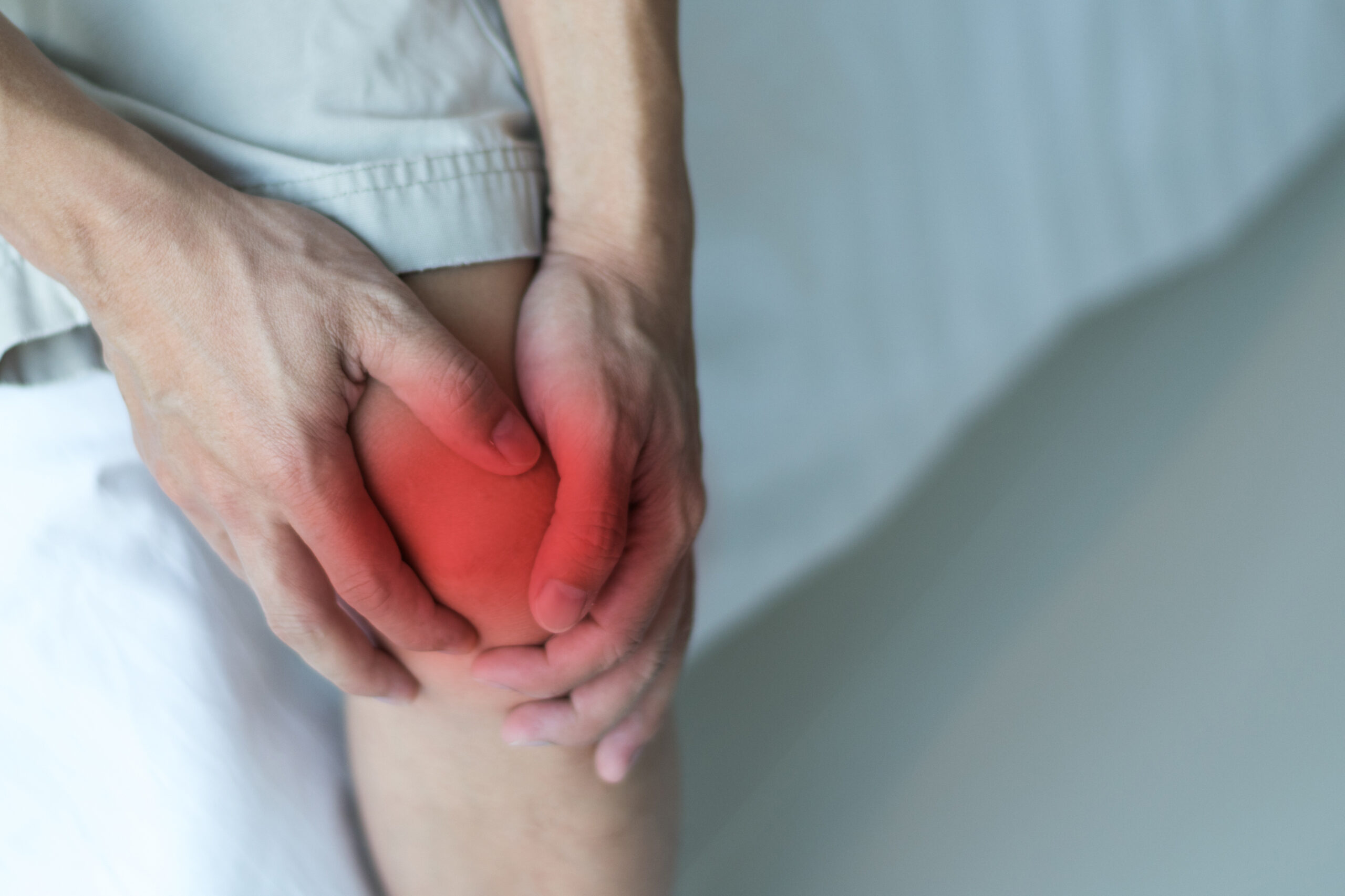
A meniscus tear is one of the most common knee injuries, especially among athletes and active adults. It can occur suddenly during sports or gradually as cartilage wears down with age.
What Causes a Meniscus Tear?
Meniscus tears can happen in different ways depending on age and activity level.
-
Acute meniscus tears are common in athletes and often occur during twisting, pivoting, or sudden stops—especially in contact sports.
-
Degenerative meniscus tears are more common in older adults as cartilage naturally weakens and thins over time, making it more prone to tearing during everyday activities.
Common Symptoms of a Meniscus Tear
Symptoms may appear immediately after injury or develop over time and can include:
-
A sudden popping sensation in the knee
-
Knee pain, especially with twisting or squatting
-
Stiffness and swelling
-
Catching or locking of the knee
-
A feeling that the knee may give out or collapse
-
Decreased range of motion
If knee pain or instability interferes with daily activities or exercise, evaluation by an orthopedic specialist is recommended.
How Is a Meniscus Tear Diagnosed?
To diagnose a meniscus tear, a DOC orthopedic surgeon or physician assistant will:
-
Review your symptoms and injury history
-
Perform a physical exam to check for joint tenderness and swelling
-
Use clinical tests such as the McMurray test, which involves bending, straightening, and rotating the knee to detect clicking or pain
Imaging studies may be ordered to confirm the diagnosis:
-
X-rays to rule out fractures or arthritis
-
MRI to visualize soft tissues, including the meniscus
Types of Meniscus Tears
Meniscus tears are classified based on their location and pattern, including:
-
Longitudinal tears
-
Radial tears
-
Flap tears
-
Degenerative tears
The meniscus also has different healing potential depending on blood supply:
-
The outer one-third has good blood flow and may heal with conservative treatment.
-
The inner two-thirds lacks blood supply and often requires surgical intervention.
Meniscus Tear Treatment Options
Treatment depends on the tear type, location, age, activity level, and severity of symptoms.
Non-Surgical Treatment
Tears in the outer portion of the meniscus may heal with conservative care, including:
-
Rest
-
Ice
-
Compression
-
Elevation (RICE protocol)
-
Activity modification
-
Physical therapy
Surgical Treatment
Tears in the inner portion of the meniscus or those causing locking or instability may require surgery. During knee arthroscopy, a DOC orthopedic surgeon uses a small camera and specialized instruments to trim or repair the damaged cartilage through tiny incisions.
Recovery and Rehabilitation After Meniscus Repair
Following surgery, DOC physical therapy plays a key role in restoring knee strength, flexibility, and range of motion.
-
Typical rehabilitation time for a meniscus repair is about three months
-
With proper treatment and guided rehabilitation, most guests return to their pre-injury activity levels
Get Expert Care for Knee Pain at Direct Orthopedic Care
Whether you’re dealing with knee pain from sports, daily activity, or a recent injury, Direct Orthopedic Care provides accessible, patient-centered orthopedic treatment without the long wait times or high costs.
If you’re experiencing knee pain, instability, or limited motion, find a DOC location near you and book an appointment today to get expert evaluation and a personalized treatment plan.