At Direct Orthopedic Care, every patient is treated like a guest—especially when life’s adventures take an unexpected turn. From everyday injuries to complex fractures sustained across the globe, our orthopedic specialists are trusted by active individuals who need expert care without delay.
In this patient story, you’ll hear how Deborah patient went from a traumatic ankle injury on a volcanic mountainside in Guatemala to confident recovery—thanks to personalized orthopedic treatment, clear communication, and trust in the DOC care team.
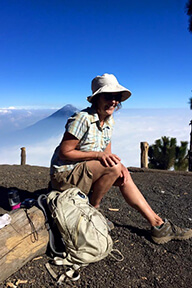
I am a DOC patient, but was treated like a guest.
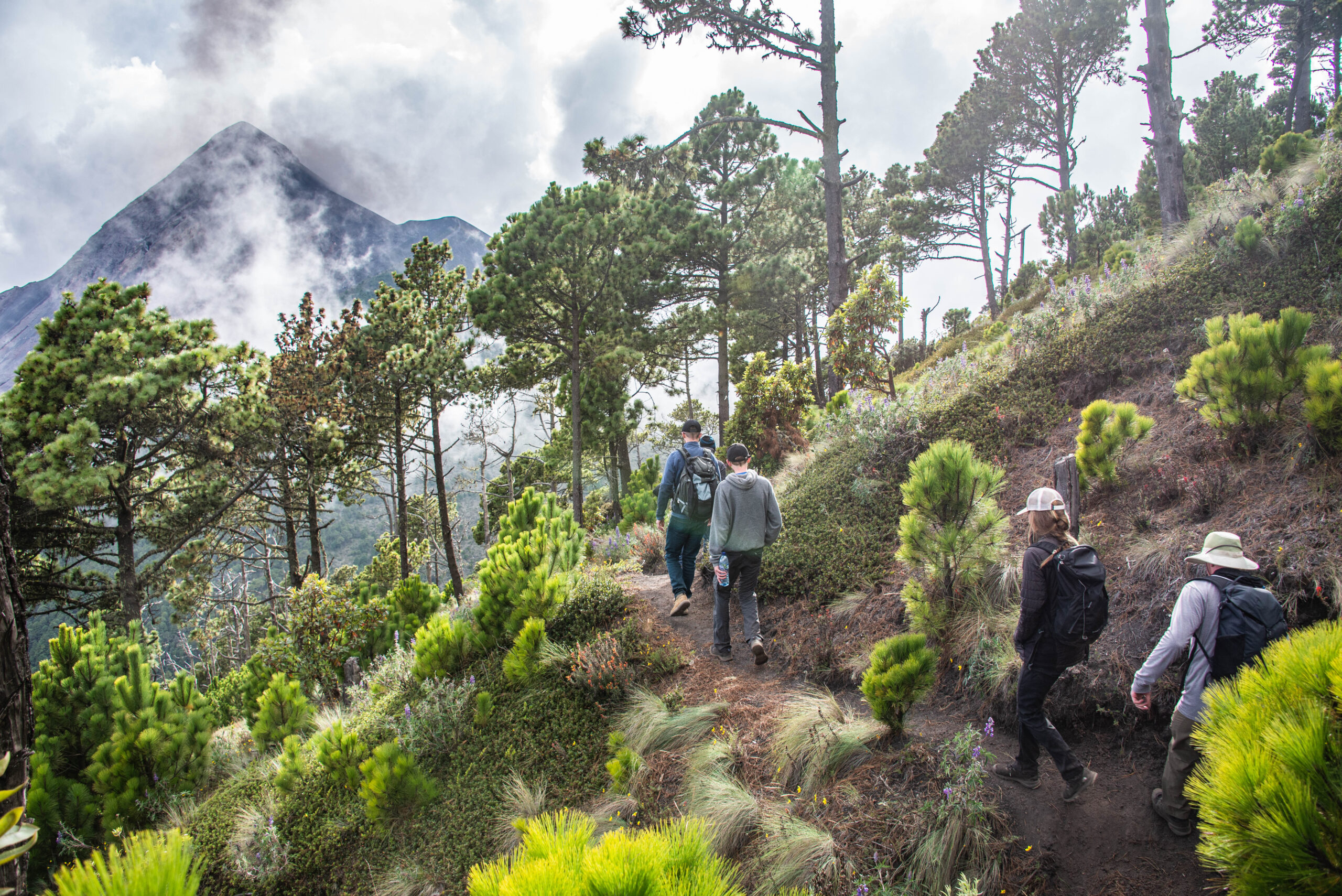
This year I climbed Acatenango, a volcano in Guatemala. It’s a two-day climb, steep and treacherous because of slippery volcanic ash. I summited at dawn as the sun came up to highlight all of the volcanoes in the distance above a low cloud cover. The closest active volcano, Fuego, erupted every hour day and night during our trek. On the 6,000 foot descent, I slipped and fell about 15 minutes from the trailhead. I heard and felt a pop and could no longer walk. Our guide carried me on his back to the waiting van and used the ice, which was cooling beers, to reduce the swelling on my ankle and foot.
I flew back from Guatemala the next day for an examination, X-rays and treatment at Direct Orthopedic Care. The upper part of the ankle joint comes from the tibia (shin) and the fibula (outer leg). The ends of these two bones are the malleoli. I fractured both sides of the ankle, tibia and lateral malleolus and tore multiple ligaments. I had no stability to enable me to walk without displacing the fractures. My only option was surgery to keep the bones in alignment while healing and ultimately regain normal movement.
The broken bones were held in the correct position with a metal plate and screws. I was non-weight-bearing in a boot for six weeks. Then I put weight on the ankle, but in the boot, for another six weeks.
I learned that plates and screws used to fix an ankle fracture are not removed if they don’t cause problems and most people do not have problems. Ankle hardware can remain in place permanently. According Kaiser Permanente statistics, 80% of patients never have the standard hardware removed. So about 20% of Kaiser’s patients notice hardware prominence that is irritating enough to warrant surgery.
I climb mountains all over the world. I snow ski. I go to high-impact aerobics every day. In my situation, the hardware needed to be removed because I could feel it, especially after a big hike or ski day. DOC removed the screws with a local anesthetic and two tiny incisions. Nearly 68% of patients improve after hardware removal. I improved with the screws gone.
The plate is still on the outside of my ankle hugging the malleolus. A plate is a flat piece of metal made of titanium or stainless steel that has holes in it for the screws. The plate fits on the surface of a fractured bone. All the plate does is hold the fractured bone pieces together while they heal. After the bone heals, the screws and plate serve no function at all.
I will have DOC remove the plate at the end of ski season and before serious hiking begins. The incision is the same as the original surgery. My fractures are healed. I am told that the risk of surgery is slightly higher because of the scar tissue present over the plate. However, I implicitly trust my DOC surgeon.
Expert Orthopedic Care for Wherever Life Takes You
At Direct Orthopedic Care, stories like this reflect our commitment to expert treatment, thoughtful decision-making, and truly personalized care—so patients can return to the activities that define them. Whether you’re recovering from a fracture, managing hardware after surgery, or planning your next adventure, the DOC team is here to guide you every step of the way. Find a Direct Orthopedic Care location near you and get the orthopedic care that keeps you moving with confidence.