
Back to School, Back to Sports: Keeping Student Athletes Injury-Free
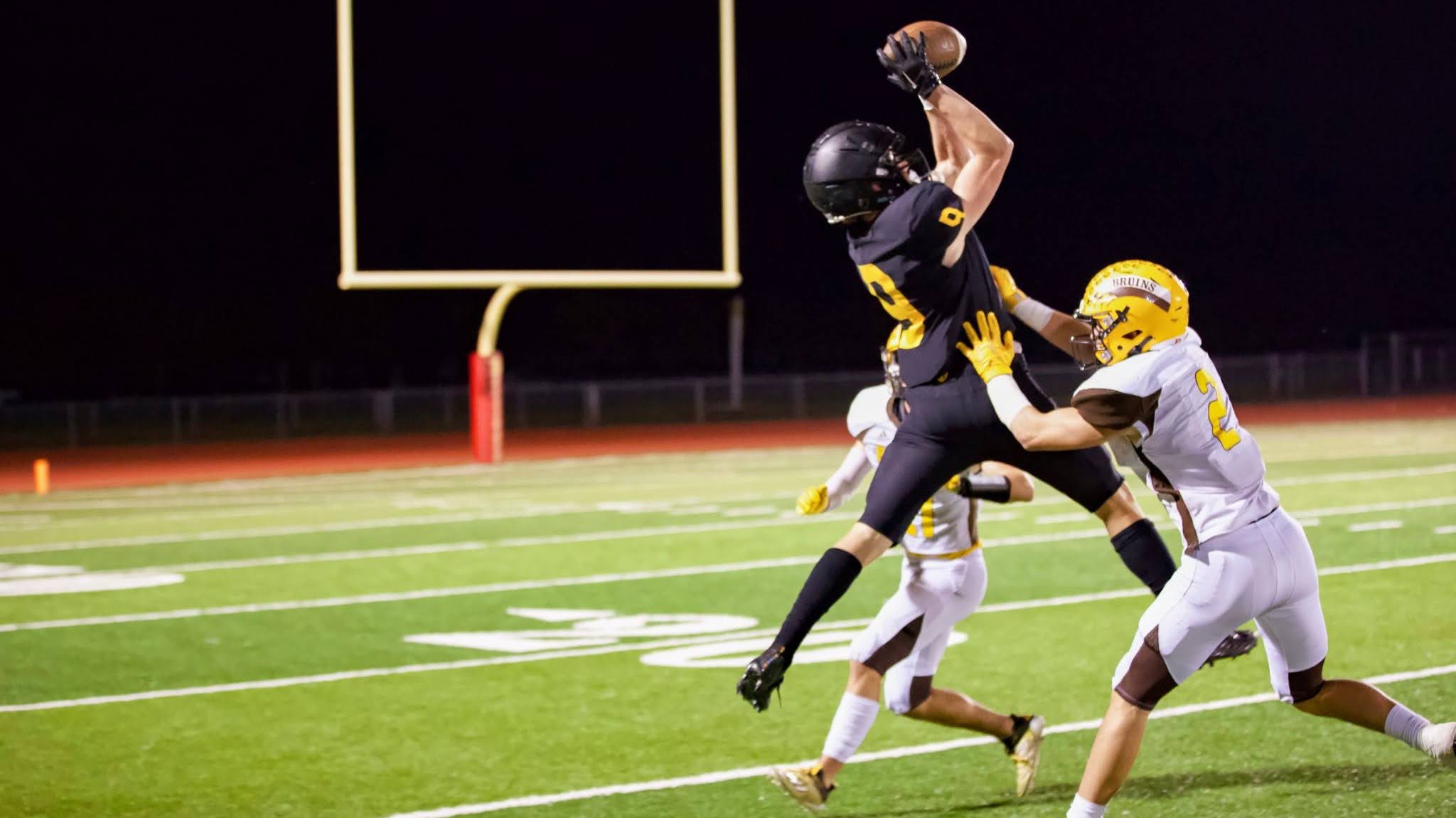
Because they’re so active, many students are at risk of injury when they return to school. Sports like football, soccer, and cross-country can all lead to musculoskeletal and joint issues that can, in some cases, be debilitating.
The purpose of this post is to provide you with all the information you need to keep student athletes injury-free this fall. We share seasonally relevant advice for educational establishments and worried parents in the Fort Worth and Dallas area to implement before the new semester arrives.
Injuries We see Most in Fall Sports
At Direct Orthopedic Care, we tend to notice the same patterns of injuries showing up in our student-aged patients.
For football, ankle sprains are top of the list, followed by knee ligament injuries (ACL and MCL) and shoulder problems. These injuries occur due to tackling and landings involved in playing this sport. For the same reason, hand and wrist fractures are quite common among football players, often made worse by the fact that many athletes continue playing with them.
In soccer, the injuries are similar, including non-contact ACL tears from changing direction and decelerating, alongside ankle sprains. Interestingly, female athletes tend to tear ACLs at higher rates than male athletes in this sport. Other common injuries include hamstring and groin injuries when athletes move or spring up too quickly, especially on cold days.
Cross-country injuries almost entirely come from overuse of joints, muscles, and ligaments. One of the most common problems we see is Achilles tendon irritation, alongside kneecap pain and stress fractures.
Younger athletes experience different types of injuries due to anatomical differences with their older peers. Because many are still growing, the growth plate is often weaker than the ligament next to it. As such, growing athletes can get more heel pain and knee pain during growth spurts. This is one of the reasons why paying close attention when a younger athlete complains of “a sprain” is more important than for older adults.
What Good Preparation Looks Like
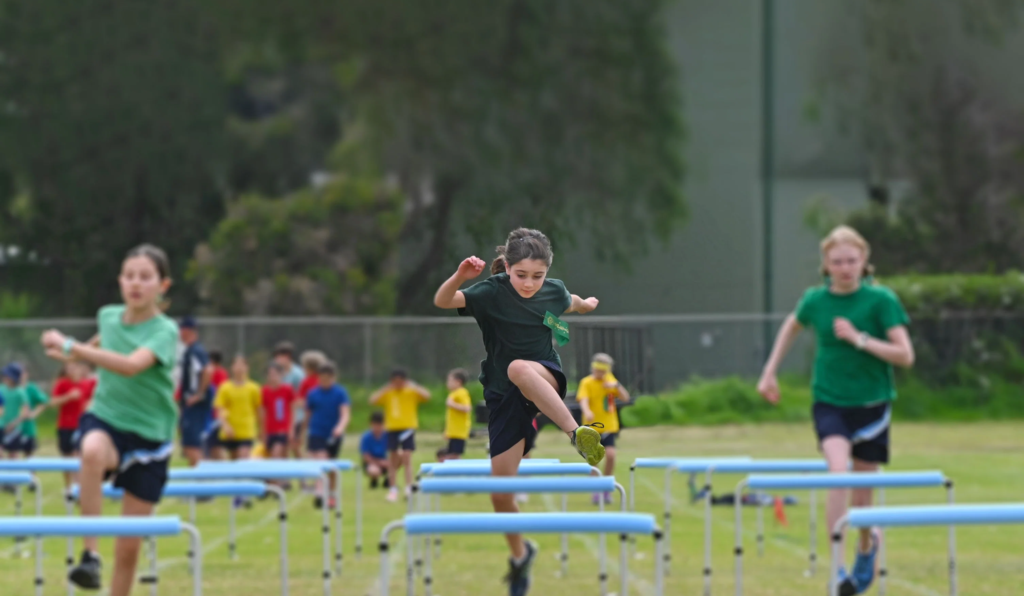
So what can you do to keep student athletes injury-free as they return to school this fall?
Begin training before the season starts
One of the biggest predictors of injury is suddenly starting intensive training at the beginning of the semester. Early-season injuries are more common than late-season ones because of the sudden jump in training load.
Most Texas schools follow UIL heat acclimatization requirements once lessons start, but these regulations don’t cover what a student does before school begins. This is why many gym teachers recommend a period of mild to moderate activity in the weeks running up to the beginning of the fall semester.
Replace warm-ups with dynamic stretching
Risk of student injury can also be reduced by replacing conventional static stretching routines with more dynamic warm-ups. Proper warm-ups take between 10 and 15 minutes to complete, and they should progressively elevate the heart rate, body temperature, and movement speed. The best options are:
- Leg swings
- Skipping
- Short but controlled accelerations towards game pace
Use more neuromuscular training
There’s some evidence that neuromuscular training can reduce student injury rates. Programs built around teaching teenagers how to land properly can create the muscle memory they need to reduce ACL injury rates substantially. This type of work often involves improving glute and hip strength by doing single-leg balances and hamstring curls. The downside is that it takes quite a bit of time, usually 15 to 20 minutes, three times a week.
Build strength in the areas the sport requires
Many sports injuries occur because the student doesn’t have the specific strength required for that discipline. For example, calf and foot strength training can improve runners’ shins for cross-country athletes and reduce the incidence of Achilles tendon inflammation. Hamstring work can protect the hamstrings, especially when stretched during soccer matches.
Manage running mileage like you’re on a budget
When it comes to student runners, try to manage their mileage to increase volume gradually. Don’t throw them into a full-length marathon right at the start of the semester, and pay special attention to running surfaces and shoe quality. Stress fractures can develop when training demands increase faster than the body can adapt and recover.
When To See An Orthopedic Specialist
Many students will complain about injuries over the following months, but the vast majority will heal relatively quickly. However, some will remain persistent.
The question therefore is this: When should you bring in an orthopedic specialist when a few days of rest and ice don’t work?
If a student can’t put weight on a leg or has a limp that lasts more than a couple of days, consult a specialist. Furthermore, find a professional medical provider to assist if the student is experiencing:
- Popping or snapping in the area of the injury
- Numbness or tingling
- A limb that looks pale and feels cold
Also, check for:
- Visible deformities
- Sharp pains over a specific spot on the bone that hurts to press
- Pain that hasn’t improved within 7-10 days
Head injuries fall into their own category. As soon as a student hits their head, you should follow standard protocols and ensure that they:
- Stop playing sports immediately
- Do not return to sports that day
- Receive specialist medical attention
The problem with most injuries, though, is that they seem to occur at the most inconvenient times, like Friday nights and Saturday mornings (when playing sports is popular). Usually it seems like the only options are a long wait in the ER or spending two weeks waiting for an appointment at a traditional orthopedic office.
But fortunately, there’s another way.
Get Seen Fast by Direct Orthopedic Care
Students who go to Direct Orthopedic Care get seen fast. We’re open seven days a week across various locations in Austin, Dallas, and Fort Worth. We serve communities in Southlake, Mansfield, Frisco, Plano, McKinney, Denton, and Irving–Las Colinas so we’re available.
When students come to us, they can see fellowship-trained, board-certified orthopedic specialists the same day and get transparent billing plus on-site physical therapy. We also offer evening telehealth appointments available seven days a week.
If your student athlete has an injury that isn’t improving or needs prompt evaluation, find your nearest Direct Orthopedic Care location or book an appointment for same-day orthopedic care.