

Summer Sports Injuries: What to Do in the First 24 Hours
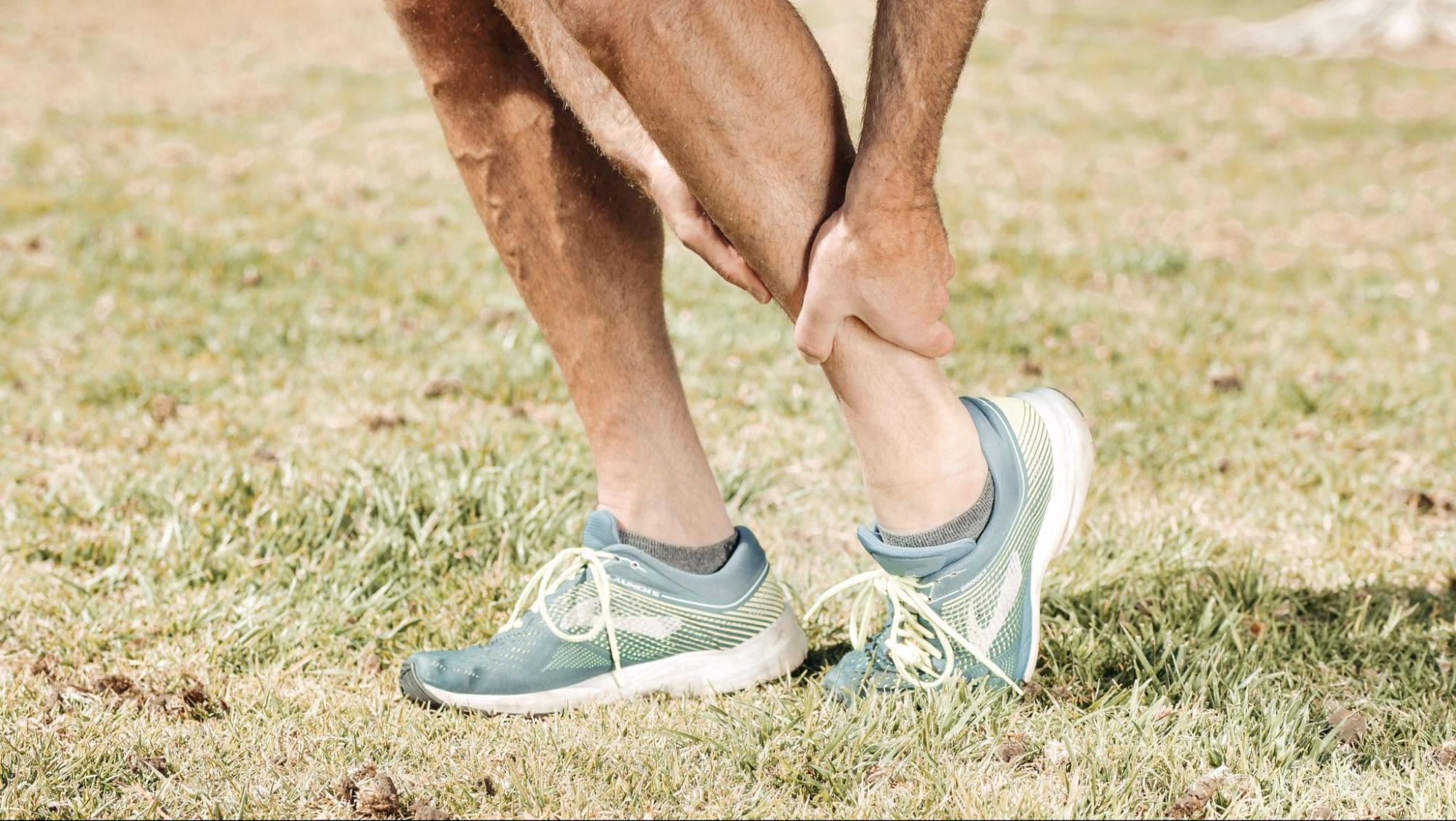
Longer days and warmer weather naturally invite people outdoors, and with the surge in pickup basketball, weekend soccer, and backyard games comes a predictable spike in orthopedic injuries. A rolled ankle or a hard fall can turn a great afternoon into weeks of frustration, and what you do in the hours right after it happens has a real effect on how quickly you bounce back.
The good news is that most summer sports injuries are not emergencies, and you have more control over the outcome than you might think. This guide covers what to do in the critical first 24 hours, when to treat an injury at home, and the warning signs that it is time to see an orthopedic specialist.
Why The First 24 Hours Set The Course For Recovery
When soft tissue tears or a joint takes a hit, your body responds with inflammation. Blood rushes to the area, swelling builds, and the tissue becomes tender and stiff. A little of this is part of healing, but too much, left unchecked, can slow you down for weeks by limiting your range of motion.
Acting quickly keeps swelling and pain in check, and it gives an orthopedic provider a clearer picture if you do need an evaluation. An injury that has ballooned overnight is harder to examine and more painful to treat. Early, sensible care often gives you a smoother recovery.
Know The Injuries Summer Sends Your Way
Certain injuries show up again and again, and recognizing what you are dealing with helps you respond the right way. The most common culprits include:
- Ankle sprains, usually from landing awkwardly or changing direction too fast.
- Muscle strains and pulls, especially hamstrings and calves, when players skip the warm up or push a tired body.
- Knee injuries, from a tweaked ligament to a meniscus tear after a hard pivot.
- Wrist and shoulder injuries, often the result of bracing against a fall.
- Fractures, which can happen in any high impact sport and are not always obvious in the moment.
Overuse injuries also creep up in summer, when weekend athletes ramp up their activity after months of sitting. Tendonitis, shin splints, and stress reactions build gradually rather than striking all at once, so they are easy to ignore until they force you to stop.
Your First 24 Hours: A Step-by-Step Response

For most acute sports injuries, the tried and true approach is some version of rest, ice, compression, and elevation. Here is how to put it into practice.
Stop And Protect The Area
The instant something feels wrong, stop playing. Pushing through pain is the fastest way to turn a minor injury into a serious one. Take weight off the affected joint or limb and avoid the movement that caused the pain. If you cannot bear weight or the joint feels unstable, keep it still and supported until it can be looked at.
Ice, Compress, And Elevate
Apply ice wrapped in a thin towel for 15 to 20 minutes at a time, several times through the day, keeping it off bare skin to avoid an ice burn. Wrap the area snugly with an elastic bandage to control swelling, but not so tight that it cuts off circulation. Whenever you can, prop the injured limb above heart level so gravity helps drain fluid away from the site.
Manage Pain And Watch The Clock
Over the counter anti-inflammatory medication can take the edge off pain and swelling when used as directed. Avoid heat, alcohol, and vigorous massage in the first day or two, since all of them increase blood flow and worsen swelling. Then watch how the injury behaves: steady improvement over 24 to 48 hours is reassuring, but pain that intensifies or a joint that will not bear weight is your cue to get evaluated.
Red Flags That Mean You Should Not Wait
Home care handles a lot, but some symptoms call for prompt assessment. See an orthopedic provider quickly if you notice any of the following:
- Obvious deformity, or a limb or joint that looks out of place
- Inability to put any weight on the injury or move the joint at all
- Numbness, tingling, or a limb that turns pale or cold
- Severe swelling or bruising that comes on fast
- Pain that stays sharp and worsening despite rest and ice
- A pop or snap at the moment of injury followed by instability
Any of these can signal a fracture, a significant ligament tear, or nerve involvement that needs imaging and a specialist’s eye. Getting it checked early keeps a small problem from quietly becoming a big one.
Why Direct Orthopedic Care Beats A Trip To The ER
When you do need to be seen, the emergency room is rarely the best choice for a non-life-threatening orthopedic injury. Wait times are long, the bills are high, and you are often treated by a general physician who refers you to a specialist anyway.
Direct Orthopedic Care was built to solve exactly this problem. DOC offers walk-in, same-day care from board-certified, fellowship-trained orthopedic specialists, seven days a week, with no appointment needed and no facility fees. An athlete looking for orthopedic urgent care in Austin can walk in and be seen the same day, often faster than an ER triage line. A specialist can diagnose, image, and treat the injury in a single visit, with on-site physical therapy to begin recovery. The same model runs at every orthopedic clinic in Dallas, where imaging and treatment happen under one roof. And north of the metroplex, urgent orthopedic care in Fort Worth keeps expert help close by. Across ten locations, you get transparent pricing and care without the ER wait or the ER price tag.
Play Hard, Recover Smart This Summer
Summer is made for getting out and moving, and a minor injury does not have to sideline you for the season. Respond well in the first 24 hours, and you set yourself up for the fastest recovery. When something needs more than rest and ice, orthopedic urgent care in Austin puts a specialist in front of you the same day. Patients across the metroplex lean on the walk-in orthopedic clinic in Dallas to skip the crowded ER. And when a weekend game goes wrong, urgent orthopedic care in Fort Worth is ready when you are. Direct Orthopedic Care gets you back to the game you love, sooner and stronger.